

How Outersloth's investment fund contracts upend the status quo for indie developers
The Among Us studio's funding contracts are groundbreakingly transparent
The Among Us studio's funding contracts are groundbreakingly transparent
The Among Us studio's funding contracts are groundbreakingly transparent

Among Us developer Innersloth has invested more than $19 million across 24 games since it started its Outersloth investment fund in 2024. Innersloth was started to support other indie game studios, something the massive success of Among Us made possible.
Outersloth is not a publisher, though. It doesn't market games or support development, outside of advice. Outersloth gives studios money, and the studio uses it to make its game. There are check-ins, of course, to make sure the game is moving along on schedule. When the game is released, part of the revenue goes to Outersloth. It's all outlined in a contract that Outersloth community director Victoria Tran and CEO Forest Willard published alongside a Game Developers Conference talk March 9.
This sort of transparency from an investment fund is unheard of. Companies don't just release their contracts online. It's not always nefarious to want to keep investment or publishing terms private, but secrecy around contracts means that publishers and investment funds have an edge over studios in negotiations. If a contract is public, game studios will know if a funder is undercutting them.
"The status quo often gets set by whatever information is out there," Tran told Mothership in an email. "Much like salary transparency, having knowledge of what else is out there or possible only helps you better strike a deal that can ensure your survival as an indie."
Tran added that she hopes the public contract will encourage other developers that have found financial success to start their own funds: "It's easier to work off of something than reinventing the wheel," she said.
Haley McLean, a video game lawyer at Voyer Law who often reviews publishing and funding agreements for game studios, told Mothership that she's always happy when an Outersloth funding agreement crosses her desk. "These Among Us developers clearly have post-COVID explosion money, and instead of just buying everyone at the top level a Lamborghini, they're instead turning around and creating funding opportunities," McLean said. (McLean noted that, while she's speaking positively about the agreement, all studios should closely review this or any contract themselves, and, ideally, with a lawyer.)
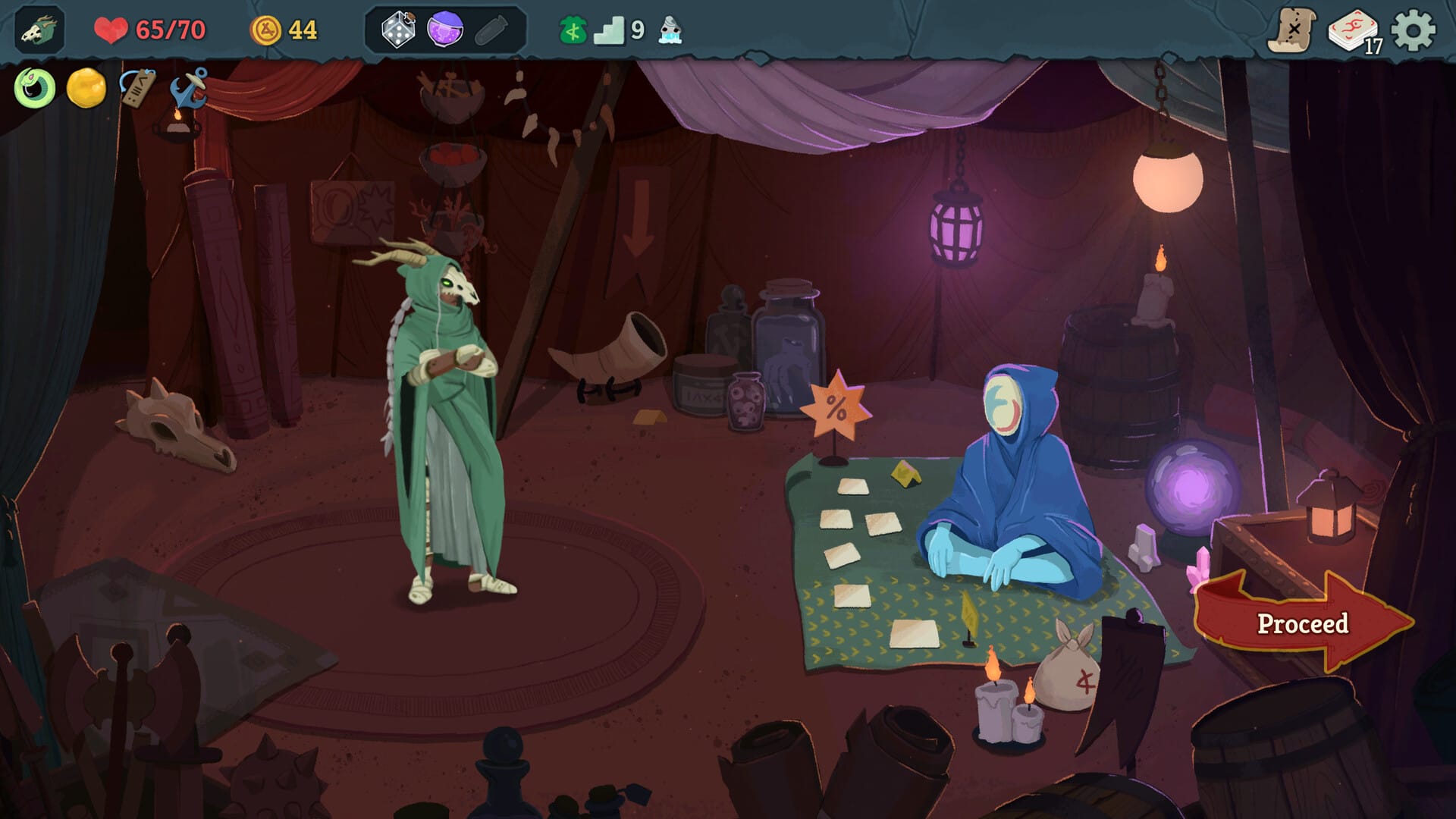
Outersloth divided up its budget for five years of funding starting when the investment fund was announced in 2024. By June 2025, it had signed 22 games: 13 have budgets of less than $500,000, three have budgets from $500,000 to $999,999, and six have budgets over $1 million. (Some of the games are funded, at least in part, by Mega Crit's Casey Yano of Slay the Spire and Slay the Spire 2 and an indie game developer who is unnamed.)
The terms of Outersloth's contracts Outersloth are to fund the game while also recouping its investment — so the fund can, in turn, fund more games.
"Many have talked about the 70/30 publisher split or 100% recoup model (or worse), so we wanted to shake things up," Tran said.
At Outersloth, the terms of the pre- and post-recoup split determine who gets what money: Before the initial investment is recouped, Outersloth and the game developer it's funding receive an equal, 50/50 split. Once that money is recouped, it's a 15/85 split. That's 15% to Outersloth, and 85% to the game developer.
Recoupment splits are common, McLean said, but Outersloth's split is particularly generous. Some game publishers ask for 100% of revenue pre- or post-recoup, like Tran mentioned.
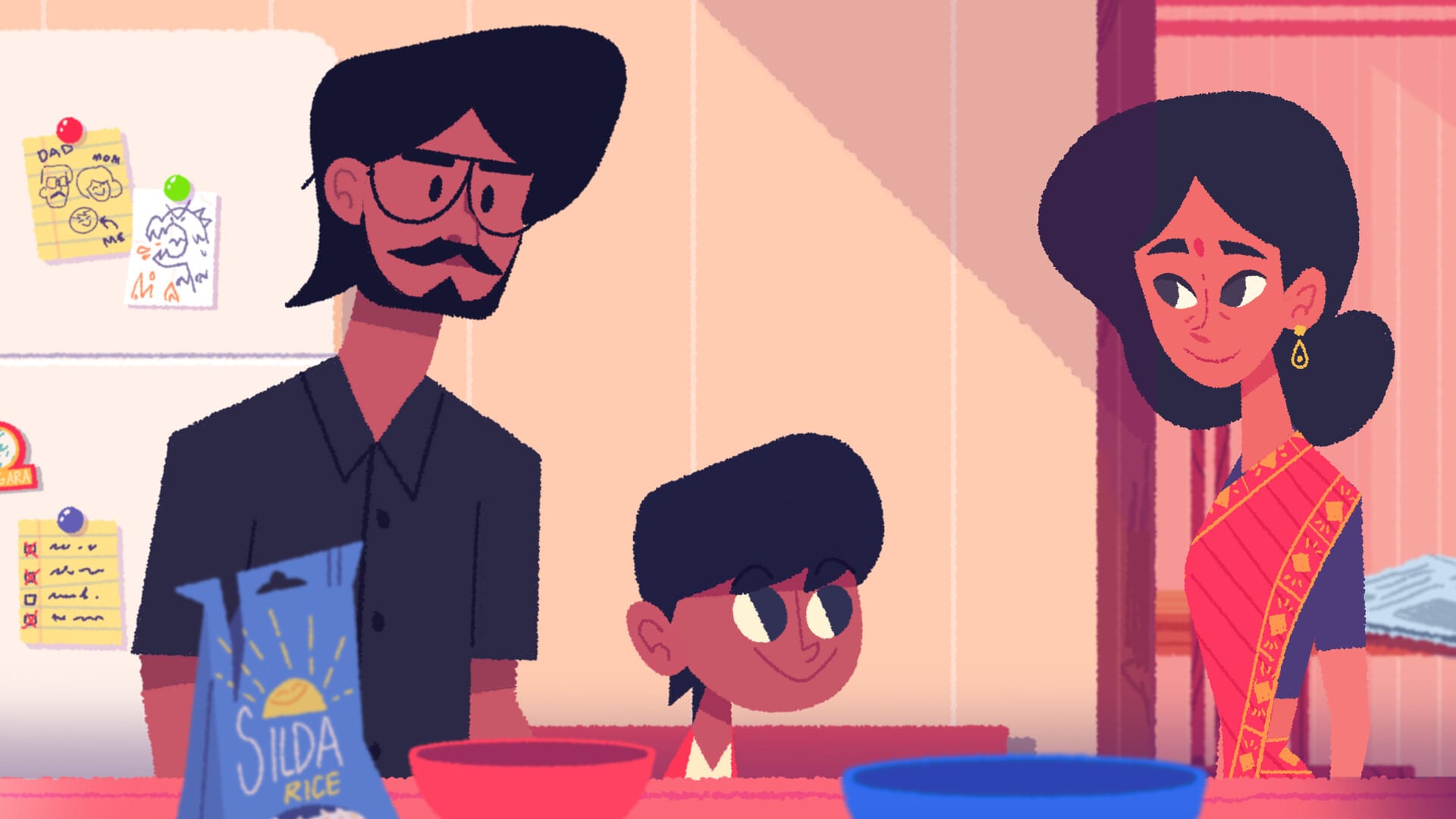
Abhi Swaminathan of Venba maker Visai Games, whose next project is funded by Outersloth, said on BlueSky the studio's lawyer "kept misreading this contract because he couldn't believe how good it is." Swaminathan had to reassure the lawyer that the 15/85 split is in the studio's favor.
"We hope this encourages other publishers and funders to be a little more friendly when it comes to their terms," Tran said. "You don't necessarily need to be as dramatic as us and we fully understand publishers need to pay the salaries of their employees so it's a different situation, but many developers are often relying on this one game for success. With better terms, even if the game is only a modest success, the developer is better set up to try again or start working on a new prototype."
Other key bits of the contract are relating to intellectual property — Outersloth doesn't own it, the studio does, which McLean said is becoming more common. McLean said she typically advises her clients to look into how net revenue is calculated, too, something that Outersloth's contract indeed defines transparently. The agreement is in place for seven years after the game is released.
"Nobody really deserves unending rights to your money," CEO Willard said during his GDC talk, as transcribed by Game Developer. That seven-year term is fixed, he said, regardless of whether the game was a success or not — i.e., whether or not Outersloth recouped all its money. Without this sort of clause, a developer could be stuck in what McLean called "pre-recoup hell," having to keep paying back whatever pre-recoup revenue share had been agreed upon if a game doesn't sell well, or well enough. It's particularly bad when a studio has a seriously low pre-recoup revenue share; according to data collected and anonymized by Voyer Law, the pre-recoup revenue could be as low as 0% for the developer in some publishing agreements.
Tran said that Willard, Innersloth's CEO and co-founder, worked out these terms with help from IndieBI co-founder Callum Underwood and Gwen Foster, "based on his own projections of what terms would allow an indie's survival, the fund's sustainability, and the belief that no one is entitled to your money forever."
One crucial detail when comparing the Outersloth contract to publishing agreements and the data collected by Voyer Law is that Outersloth is not a publisher, so it offers no support for marketing, quality assurance, customer assistance, or anything else. (Outersloth does give advice, and provides a place for developers to convene with each other and talk, too, in a private Slack channel, according to the GDC talk.) Every game company needs different support, and some just need money. McLean said it's more akin to government funding, without the headache of government funding.
The Outersloth contract is not only good for people signing with the fund, but for the industry as a whole. Developers have something to reference in a notoriously secretive industry when negotiating contracts, McLean said. "It's like internal support. Developers helping developers, which is a beacon of light after AI taking away jobs, corporate greed shutting down studios, games having a month of launch time before getting closed and everyone's fired," she said.
"It has transparency, and it might pressure other publishers who are working in advantage of there being a discrepancy in the availability of information," she said.


Wicked Whims is nearly a decade old, and it's created a community around the way it opens up The Sims 4 for self expression — and kink.

Voice chat can mean teamwork, coordination, and banter, but for many of the queer Nigerian gamers we spoke to, the mic is a risk assessment tool.

How can a narrative point-and-click make my heart beat so fast?

“I am a woman in her 40s who has the brain of a turnip.”


