

Video games need to do better than treating skin like skins
Painting skin color as an inconsequential aspect of identity erases the unique ways Black bodies navigate the world
Painting skin color as an inconsequential aspect of identity erases the unique ways Black bodies navigate the world

Black gamers aren’t a monolith…However, these games are certified classics.

In games like Adventure and Pac-Man, players were used to inhabiting bodies with far fewer defining features

Painting skin color as an inconsequential aspect of identity erases the unique ways Black bodies navigate the world

River City Ransom: Underground managed to make my own skin tone surprise me with the boxer Paul. In this 2017 beat-'em-up RPG, Paul (one of several playable characters) isn’t Black by default. But with a couple flicks of a stick and a few button presses in the character select menu, you can make him so. Or, more accurately, you can make him look Black. At first, this discovery surprised me since I wasn’t expecting skin to be customizable. But I love being Black and often choose to be in games, so I moved past it and focused on throwing haymakers that send River City’s gangsters, nerds, mystics, and wrestlers flying across my screen. However, this simple cosmetic change eventually started to bother, then outright irk me. I realized how hard the game was phoning in Blackness.
In River City Ransom: Underground, players can change the skin tone of several of the preset characters but nothing else about these characters changes. Paul is a preset character who, on any given day, has the same moveset, name, and facial features. Players can just swap his skin tone along with the color of his clothes. Several other characters, including series co-leads Ryan and Alex, can also mutate like this. (Though, notably, the two playable Black characters, Provie and Wes, are always Black, simply adopting different skin shades with each outfit color.) By treating skin tone like a color palette setting that can change at any time, while keeping so much else about its cast fixed, Ransom perpetuates the tired idea that all bodies navigate the world the same way.
A generous interpretation of this choice is as a misguided attempt to ensure players can always choose something vaguely resembling themselves. Deep character customization is, after all, a huge draw to 2010s roleplaying games like The Sims 3 and Divinity Original Sin 2. Fanbases have added even more variety and personalization in the form of massive modding communities. When done with consideration, customization features can be fascinating sites of self-expression that let people try on all sorts of identities; they're a testament to how creative people can get with digital clay and a willingness to explore themselves.
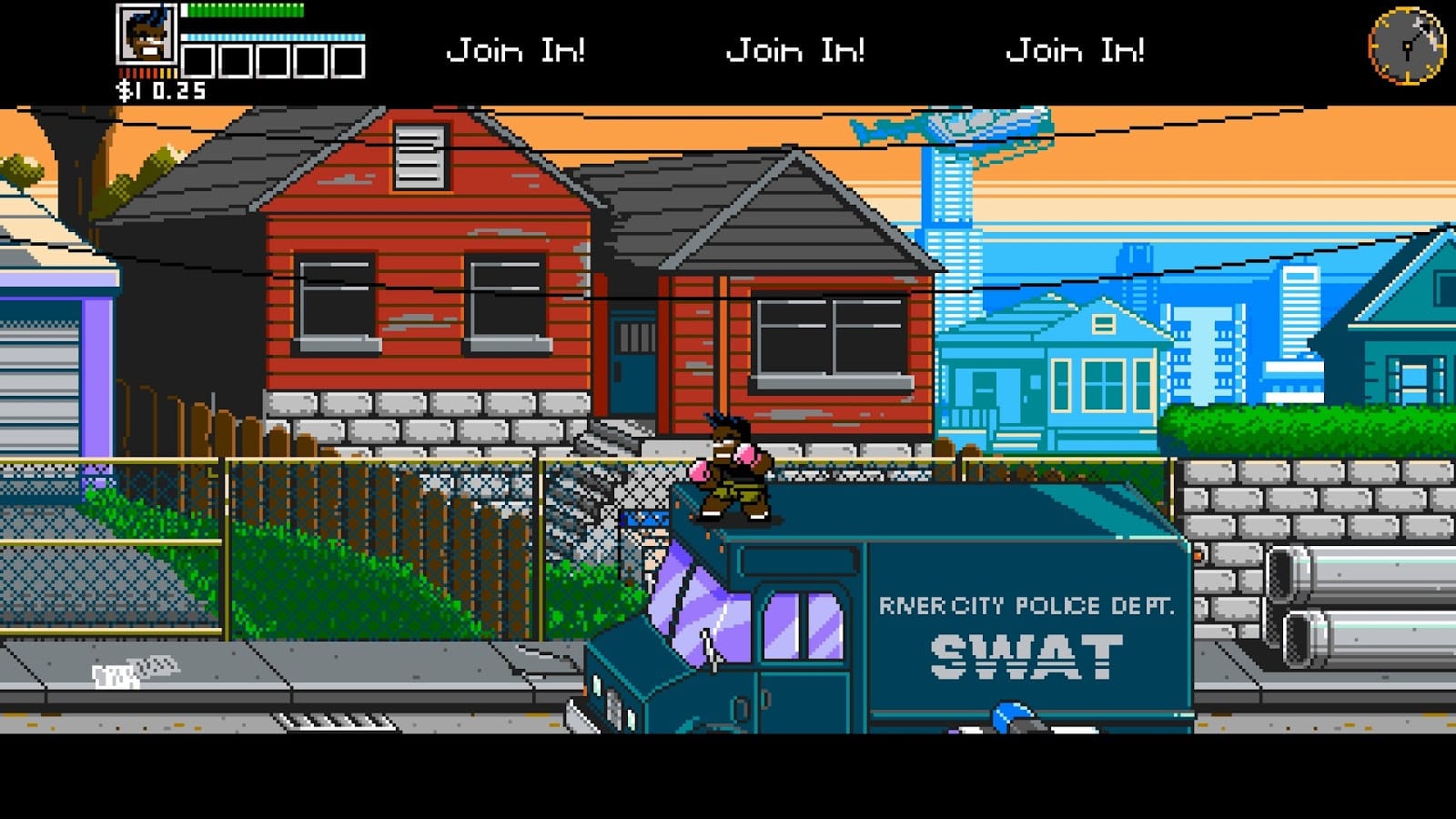
But Paul and the other customizable characters aren’t handled with this level of care. While I love seeing Black characters in a game, what makes them Black can’t and shouldn’t be distilled to just their skin color. It’s barely half a job done, little more than an easily-stitched label. Provie and Wes are Black, make no mistake, but their ability to switch skin tones still signals a lack of thought toward what constitutes their identities.
While I’m not expecting River City Ransom: Underground to have the most considerate take on race, its pitfall speaks to a larger problem of video games easily dismissing this part of identity. Game developers, and creatives at large, should interrogate how the world looks at Black people and how we look back. It can only lead to better writing and world-building, but it also allows games to subtly or explicitly tackle more nuanced topics that are inseparable from identity.
It’s evident when a Black character is written with nuance and attention. Season 1 of Telltale Games' The Walking Dead puts players in the shoes of one of my all-time favorite Black characters Lee Everett, the protagonist who goes from a history professor players meet in the back of a police car to the reluctant glue that keeps a group of survivors alive. The game is great in part because it isn’t afraid to include some messy reality, for example using humor to tackle a heavy topic like racism. One of the best small moments over the five-episode game is when Lee and Florida -man Kenny, a series favorite, need to break into a barn in Episode 2. While discussing options, Kenny immediately assumes Lee can pick a lock. His reason? “Well… you’re… you know… urban?”

In the world of Pokémon games, I found myself experimenting with styles I never could have dreamed of in reality


It was in the arcade around DDR machines that I first met people like me — kids picked on for being "weirdos," for being neurodivergent, for being queer.


A full-spoiler explanation as to why queer fans like me felt so disappointed by Bayonetta 3


Being a DM and running a restaurant both require high emotional intelligence and awareness