

How do you get over your attachment to characters when a game ends?
"The game coming to an end almost feels like grief. There is an emptiness and sense of loss that I don't know how to fill..."
"The game coming to an end almost feels like grief. There is an emptiness and sense of loss that I don't know how to fill..."

It's not fun to play and yet I had a great time
Things were neither better nor simpler for me in 1999, but it was easier to play Star Trek: The Next Generation - Birth of the Federation.
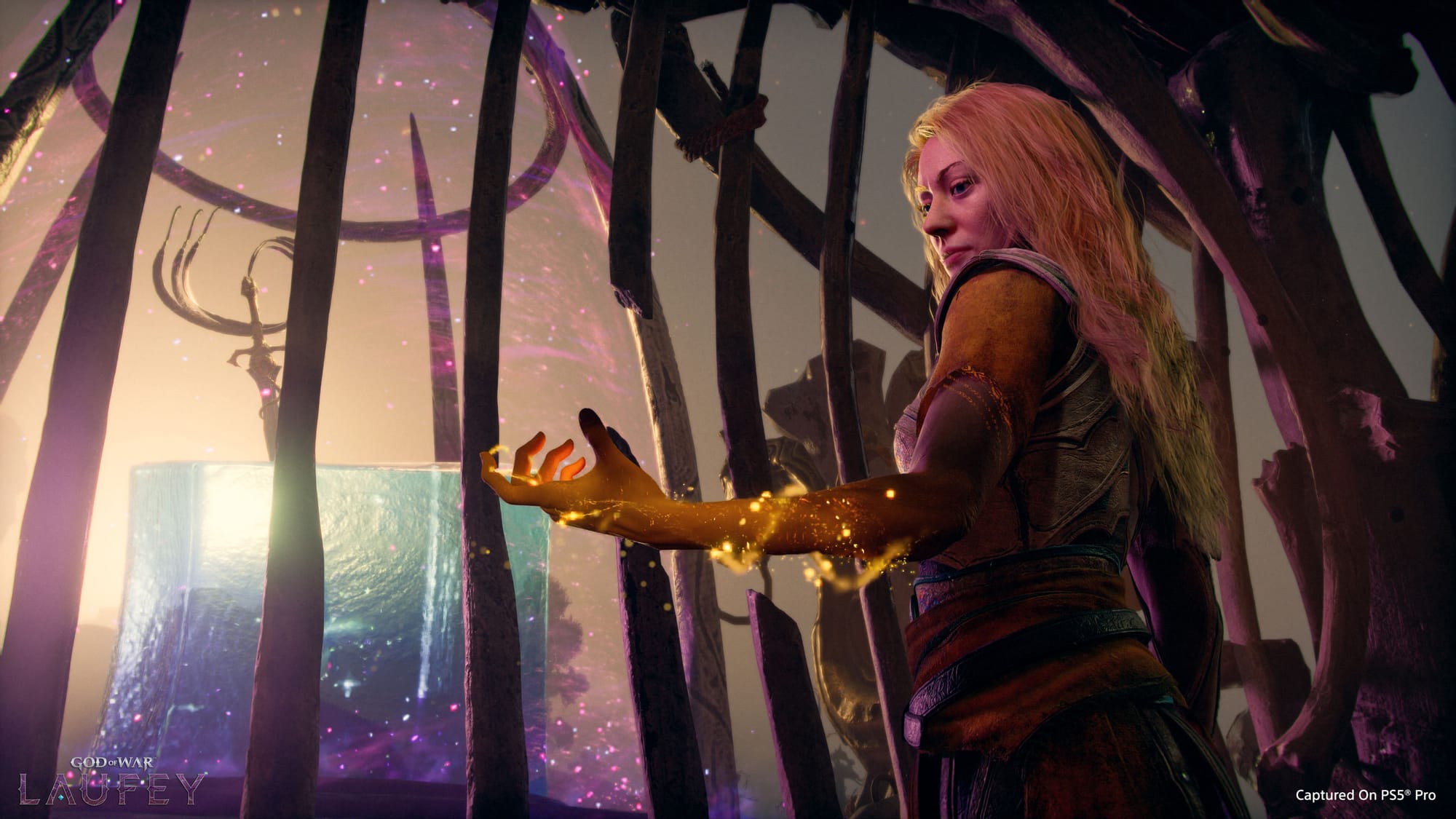
"Faye — who we have known as a wife and mother — is being given a chance to be a person," Kate Cox writes.


Hey, quick: name a dad game.
Obviously, there’s The Last of Us, but that’s too easy. Try another. God of War (2018 version)? Pretty good, but also kind of a gimme. This year we have Pragmata, that’ll fit the bill. The Walking Dead (2012)? Yeah, that’s a good pick if you feel a little retro.
We could do this all day! We, the gaming audience, are positively spoiled for choice here. There are dozens of other titles we could put on this list, and dozens more that are close enough to have a fun little argument about. (The Witcher III? Sure. Mass Effect 2? No, that’s a daddy issues game — different beast entirely.)
Unfortunately, we cannot say the same for the genre of “mom game.” In fact, most of us probably cannot name a single mom game, for the simple reason that very few, if any, actually exist.
There stands a deep and abiding gulf: Dad games are one of the dominant genres of the century to date, commercial and critical darlings alike. They sell millions of copies and inspire award-winning prestige TV series. Mom games, on the other hand, are somewhere between absent and invisible.
As pleasant as it might be to lay the blame for this narrative disparity exclusively at the feet of game developers, the fault is hardly theirs alone. The reality is that we do not have mom games — by any meaningful metric we might use to define the genre — because neither the studios that publish games nor the American public who buy them actually consider mothers to be real people.
This is not a problem of conservative or liberal politics; misogyny is rampant on left and right alike, and the concept of motherhood — universal, as all of us must be born to be here — has always sat at its center.
The ultra-conservative, fascist-aligned leadership at the helm of the United States in 2026 is almost refreshingly honest about how much it hates women, and how much it wants women reduced to the status of mothers, and only mothers — not as people with careers or even interiority, but as neutral vessels to bear and raise (white) children, never to be heard from otherwise. The root of their obsession with gender lies here: In this world view, there is a natural order to things that must be rigidly, even violently, enforced, and those boundaries mean (white) men, and only (white) men, are people.
Denigration of mothers and the work of motherhood on the left, among supposed progressives and allies, is the harder to spot and the harder to combat, but no less prevalent. The rich vein of literature examining the role of motherhood in feminism and in society goes back decades and fills hundreds of books — but our shorthand for today is simple: We have the wine mom.


How to face the fears of our bleak future


I’m setting my relationship status to “Complicated” with Infold’s hit boyfriend simulator


