

The horror of Phantasmagoria was 30 years ahead of its time
Roberta Williams' 1995 horror game is a creepy miracle
Roberta Williams' 1995 horror game is a creepy miracle

An answer to an endearingly long-winded reader question

The game understands how to encourage creativity: teach a lesson well, but give me freedom to flounder.

Roberta Williams' 1995 horror game is a creepy miracle

[Editor's note: This story describes Phantasmagoria's depiction of spousal rape and other forms of abuse.]
Adrienne brushes her fair hair in the mirror, sensing something disturbing happening to her husband Don, not knowing that he's possessed by a demon. He takes the brush from her and starts combing through her curls himself, ignoring her stiff shoulders, the way she turns her eyes from his, how she tries smacking him with nervous hands before giving in.
He pushes her against the cold bathroom wall, and growls as she gasps in pain, shoving himself under her satin nightie until he's finished. When she crumbles to the floor, crying, his eyes are wild. He turns awkwardly away, seeming unsure — was that the man or the demon?
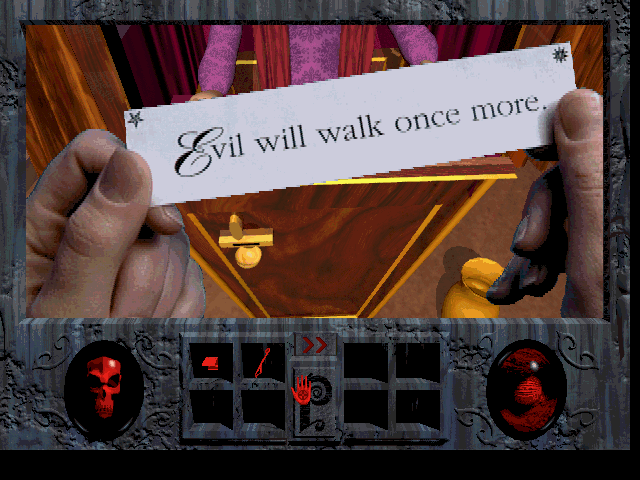
Sierra On-Line co-founder Roberta Williams was bold to ask this question in Phantasmagoria in 1995. More than 30 years later, I'm still unsettled by the Gothic point-and-click game's portrayal of men gone wild, so I recently took a trip to the Strong National Museum of Play — which contains the World Video Game Hall of Fame and its associated archives — to commune with Phantasmagoria. The game is seemingly one of the only high-budget, blockbuster horror games to have been created, written, and designed by a woman, as major franchises like Resident Evil and Silent Hill were instigated by men, and continue to feature mostly men on their development teams. I wanted to touch Phantasmagoria's production notes myself to see the physical proof that it doesn't have to be this way.


“We’ve done a really good job as a queer community of reclaiming this word after it was being used so harmfully against us. Now it’s the entire name of the event that we’re doing here. That’s so beautiful.”

A must-play horror tale of transness and tentacles


