


Unlearning misogyny to truly appreciate the women and girls of Kingdom Hearts
Kairi, Larxene, and the rest of Kingdom Hearts' female characters were too often the butt of jokes in the 2000s

I always joke about how having unfettered access to the Internet altered my brain chemistry, but when I reflect on my childhood, there’s a clear truth: how I perceived and internalized the world around me was changed by countless online voices. When I fell in love with the Kingdom Hearts series in 2009 and delved into miscellaneous forums and fanfiction sites to feed my insatiable obsession, I soaked up all the fandom jokes and theories like a sponge.
That came with a few issues.
Alongside those little fandom jokes was a trove of thinly veiled misogyny for the female characters of Kingdom Hearts. Borne from a clear disdain for how they were represented in the series itself, no one was safe from incessant mischaracterization and tasteless “jokes” that made it even more difficult to relate to the characters meant to represent me in a fictional setting I loved.
Here are the typical tactless ways the fandom would describe each of these characters:
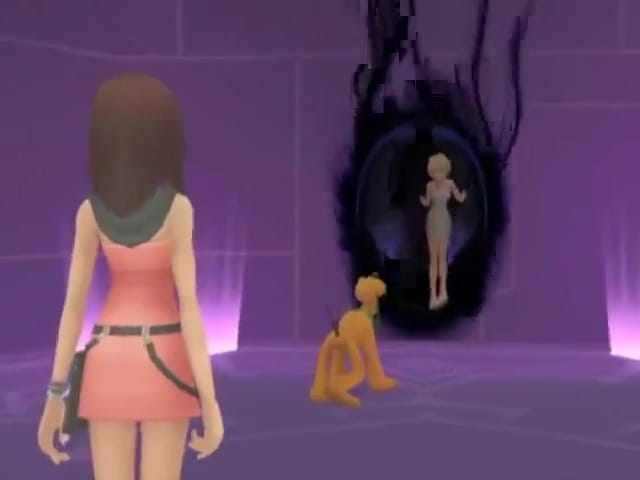
- Kairi, the weak and whiny love interest getting in the way of Soriku (the ship name for Sora and Riku)
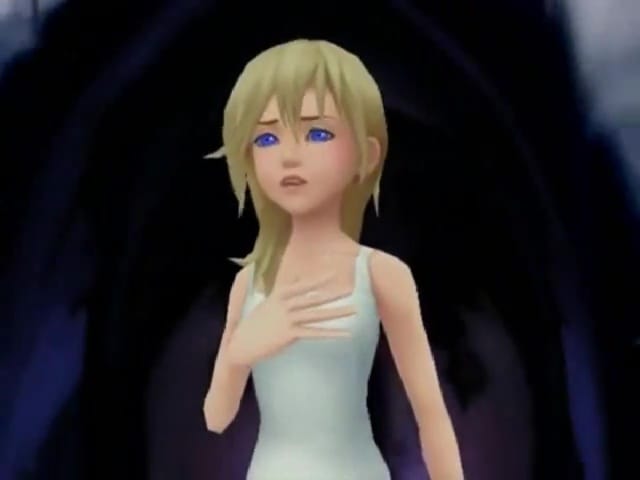
- Naminé, the useless side character no one could be bothered to care about
- Xion, Kairi 2.0 and always getting in the way of your AkuRoku ship (Axel/Roxas)
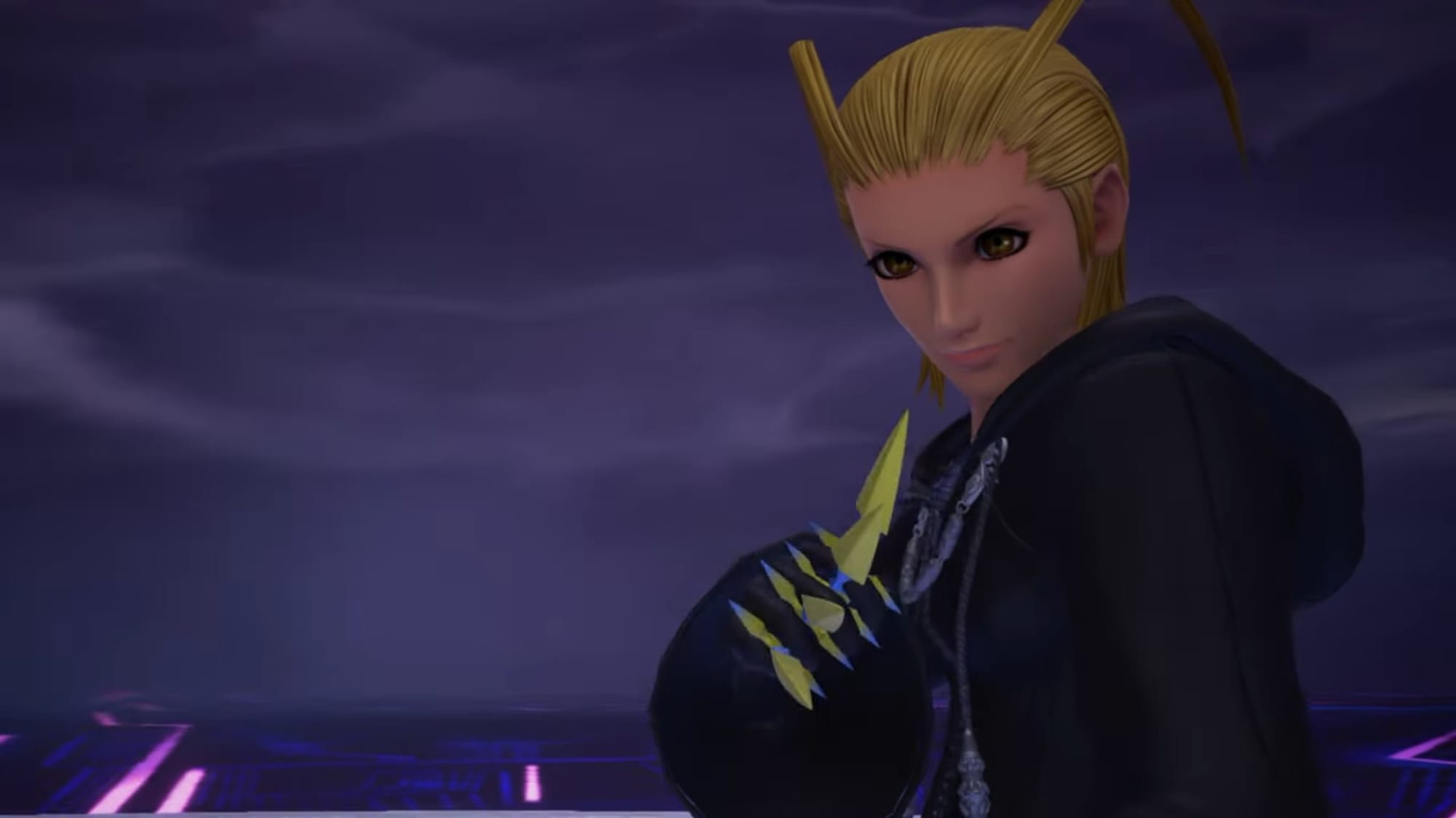
- Larxene, the bitch always on her period for some reason
- Aqua, the neurotic Mom Friend who has to save Terra and Ventus from every hardship
I fell into repeating the jokes built on these fandom tropes seamlessly, mirroring the behavior I saw online as a 10-year-old. But fortunately for me, I grew up alongside the series thanks to that little 13-year intermission between the mainline titles, and my perspective shifted. There’s no taking back making stupid jokes about Larxene being the token bitch of the bunch, but hopefully now, from one grown bitch to another, I can defend the value she and the rest of the ladies bring to the story of Kingdom Hearts.
Women in storytelling often lack meaningful story arcs, serving instead as plot devices to propel their male counterparts forward in their own, fully realized emotional journeys. Square Enix unfortunately springs to mind whenever fridging is discussed, with Final Fantasy 7’s most famous character death being a prime example. It’s no surprise, then, that the female characters in Kingdom Hearts are treated in a similar manner, and it’s the source material itself that inspired so much of the hatred you would find nestled into the chapters of fanfictions and sprawling down the length of miscellaneous forum threads.
The first Kingdom Hearts, after all, has Kairi incapacitated for over half of the game; Sora’s key motivation for leaving Destiny Islands is to save her from her mysterious fate and reunite with both her and their mutual friend Riku. In Kingdom Hearts 358/2 Days, Xion is created as a literal puppet meant to become a replica of Sora to further Xemnas’ plot to summon Kingdom Hearts. And the long-running Kingdom Hearts character Larxene, despite being a fabulous foil to the softer personalities of Kairi and Xion, quickly got cast by fans as the Token Mean Woman in Organization XIII because she dares to hold her own in a cultish group whose members are all after their own secretive objectives.
Over time, the portrayal of female characters in the series improved, with Aqua in particular receiving a less harsh fate from the fandom than her predecessors thanks to having an entire chapter of Birth By Sleep dedicated to fleshing out her personal growth. Square Enix has continued to show more well-rounded iterations of the ladies as the series has continued, but unfortunately, at least during my formative years, their personalities were given little room to shine.
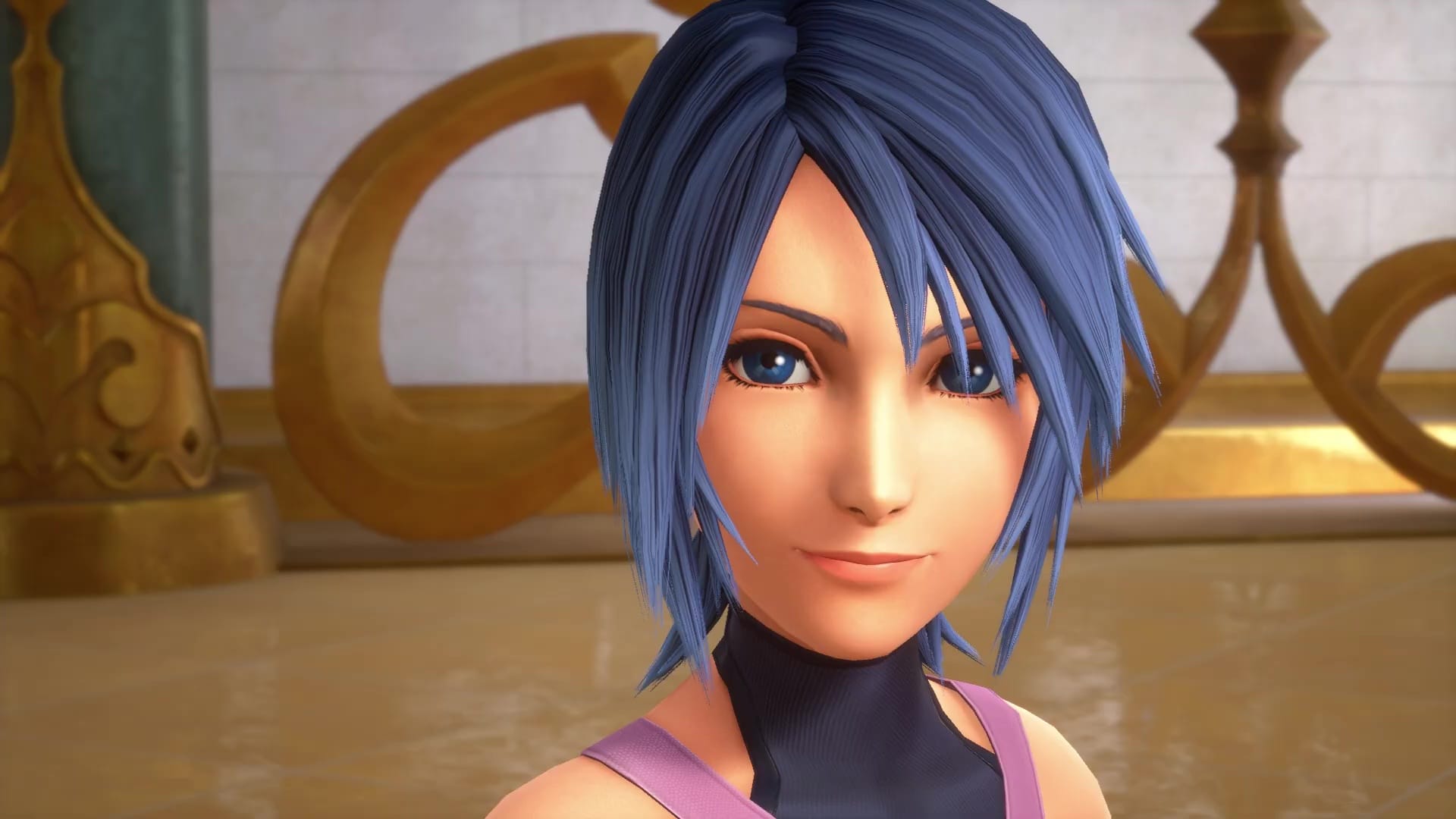
Whether you agree with their portrayals or not, the reality is there would be no Kingdom Hearts without these female characters. Kairi’s origin from a different world is what inspires Sora and Riku to make a boat to leave the islands to begin with, and she literally saves Sora’s life when she helps to restore his heart in the first Kingdom Hearts. Naminé stitches Sora’s heart back together piece by piece after the events of Kingdom Hearts: Chain of Memories and plays a key role in Xion reclaiming her autonomy and thwarting Xemnas at the end of Kingdom Hearts: 358/2 Days. Aqua literally has gone to the end of the world via the Realm of Darkness to protect her friends. And Larxene is still shrouded in mystery as one of original keyblade wielders who escaped from first Keyblade War hundreds of years before Kingdom Hearts I even takes place, an asset so valuable to Xehanort that he needed her in order to achieve his vision in Kingdom Hearts III.
Each of these women, in their own way, affects the plot of Kingdom Hearts for the better. Their kindness and/or resilience is not just a backdrop for Sora and company to comfortably indulge in shenanigans. Female characters are often placed into supportive roles to bolster their male counterparts’ character arcs, with nurturing characteristics that are “feminine” and therefore seen as weak. But take any one of these characters out of the story and you’ll find yourself quickly unraveling Tetsuya Nomura’s tangled timelines into a dead end, because each of them is integral.
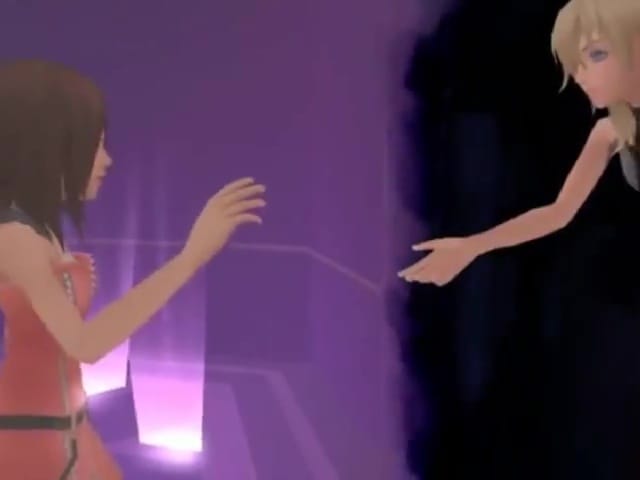
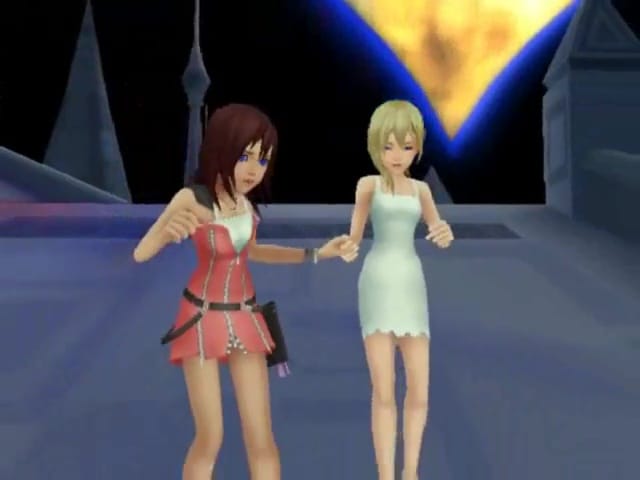
Images: Kingdom Hearts II (Square Enix)
Now, as the fanbase has matured, it seems we can have better conversations around the lack of attention the female characters were given aside from how they helped their male counterparts to grow into their own roles. We were so close to calling for better representation, but whittled the problem down to female characters being annoying and unconvincing elements of the series’ overall narrative. What a disservice we did to diminish them to helpless, whiny girls whose best accomplishments were being the butt of a poorly placed period joke on the internet in 2006.
I started playing Kingdom Hearts at the wee age of 10, and now I’m 27. I’ve faced my own hardships, made my own sacrifices, and thankfully experienced a life so far where my friends really are my power, and there isn’t much I wouldn’t do for my loved ones. More and more with each passing year, I see myself in characters like Kairi, Xion and Aqua. These fictional characters had personality traits that led to them being mercilessly made fun of for the sake of being edgy and misogynistic in the early 2000s — and yet these characteristics are ones I see in myself as an adult and retroactively understand were always a part of me that I didn’t allow myself to connect with because of how my online peers shamed “feminine” qualities. Their sharp, infallible willpower and loyalty is just as, if not even more, compelling as Sora’s bravery and kindheartedness (looking at you, Xion dying in Roxas’ arms cutscene). I see now how the women and girls of Kingdom Hearts brought more to the table than our fandom ever gave them credit for.
With Kingdom Hearts IV on the way, I hope we can see more powerful renditions of these women from Square Enix that not only better exemplify their emotional desires and ambitions through compelling narrative arcs, but also slam dunk the early 2000s fandom attitude into the dumpster where it belongs.

Read next

Don’t rock the boat says trans girls are worth killing for
A must-play horror tale of transness and tentacles


Fire Emblem: Fortune's Weave's most unexpected pair is a fascinating tangle of sex and gender
"I could adopt the form of a woman so beautiful I would shine like the moon..."


Big Walk lights the way for non-toxic masculinity in games
Interrogating "men don't talk to each other" through a game about communication


5 games that will change your perspective on life
Studios Campo Santo, Giant Sparrow, Mobius Digital, and DigixArt have us thinking about how we move through the world
