

How do I figure out which couch co-op games are right for my relationship?
"It Takes Two started off well with amazing puzzles and an interesting approach. But the story of a fighting couple on the verge of divorce was brutal"
"It Takes Two started off well with amazing puzzles and an interesting approach. But the story of a fighting couple on the verge of divorce was brutal"

A conversation about birdsong, Wilson's Promontory, and being quiet
Cloud's emotional distance still leaves the door open for queer interpretations


There are a few games that sit in gaming culture the way FF7 does — the kind of game that is foundational to one’s memory and gets replayed, remastered and argued over like shared folklore. For many players who grew up with it, Cloud Strife was a hero and part of the blueprint for what masculinity (or sometimes hyper-masculinity) in gaming, entertainment and media looked like. He is physically strong, capable of immense violence, emotionally distant and defined by tolerant restraint. The late ‘90s and early 2000s were filled with similar silent, stoic heroes like Dart Feld, Sasuke Uchiha, and Vegeta; men defined by endurance rather than vulnerability.
This article is the second in a two-part series, the first of which analyzed Cloud's portrayal in Final Fantasy VII and its remake, specifically the Honeybee Inn scene.
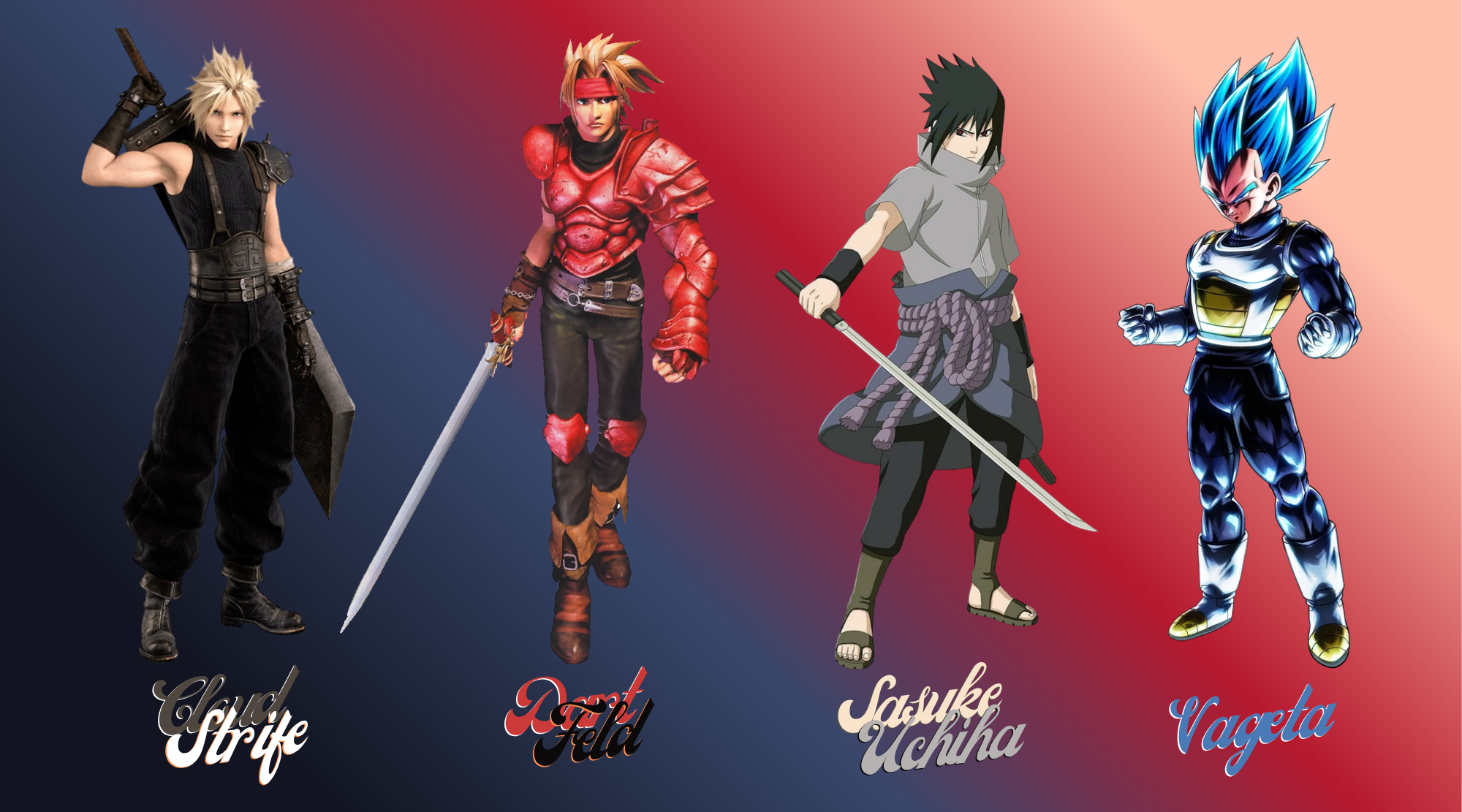
Cloud fit that mold in a complex way that challenged traditional masculine norms of the Western world. Cloud’s very body is designed to facilitate some form of temporary queer celebration. His delicate posture, toned figure, soft yet sharp facial features and carefully styled hair that looks more sculpted than rugged align with the Japanese bishōnen aesthetic — a form of androgynous masculinity that blends masculine strength with feminine elegance.
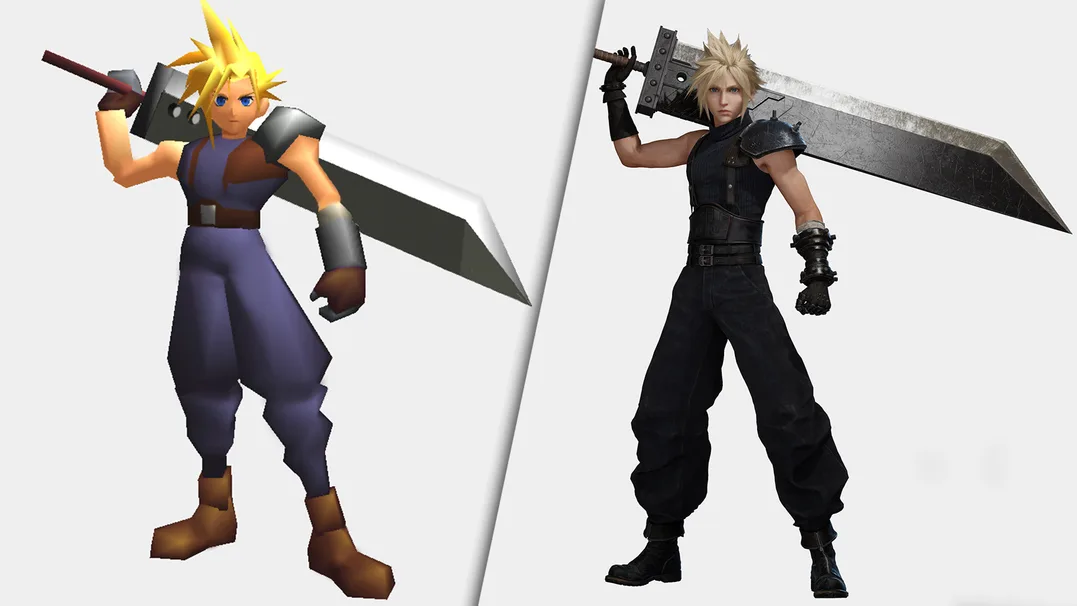
This duality invites interpretations in which Cloud can be read as moody, shy, or emotionally distant. His reluctance to respond to romantic advances (whether by not confessing his feelings to Tifa, or by avoiding a date with Tifa or Aerith to choose Barret's company instead) invites queer interpretations but never confirms them. Instead, his sexual ambiguity here becomes one of the defining features of his quietly somber personality, which becomes especially important during the game in gender-nonconforming spaces. His ‘blank slate hero’ design allows for transcendent androgyny, presented as neutral and ideal, enabling him to enter queer spaces like the Honeybee Inn without including Cloud's own perspective as to whether he belongs there.

Studios Campo Santo, Giant Sparrow, Mobius Digital, and DigixArt have us thinking about how we move through the world

I’m a French Black woman whose favorite game of 2025 was not Clair Obscur: Expedition 33. And how could it be, when South of Midnight was released around the same time?


Sex scenes are still rare in games, and players' outlooks on them are notably nuanced


The game pretty much speedruns all the horror tropes for women — damsel in distress, fridging, and the hag

